QuicDNA project expands across Wales, revolutionising lung cancer diagnosis
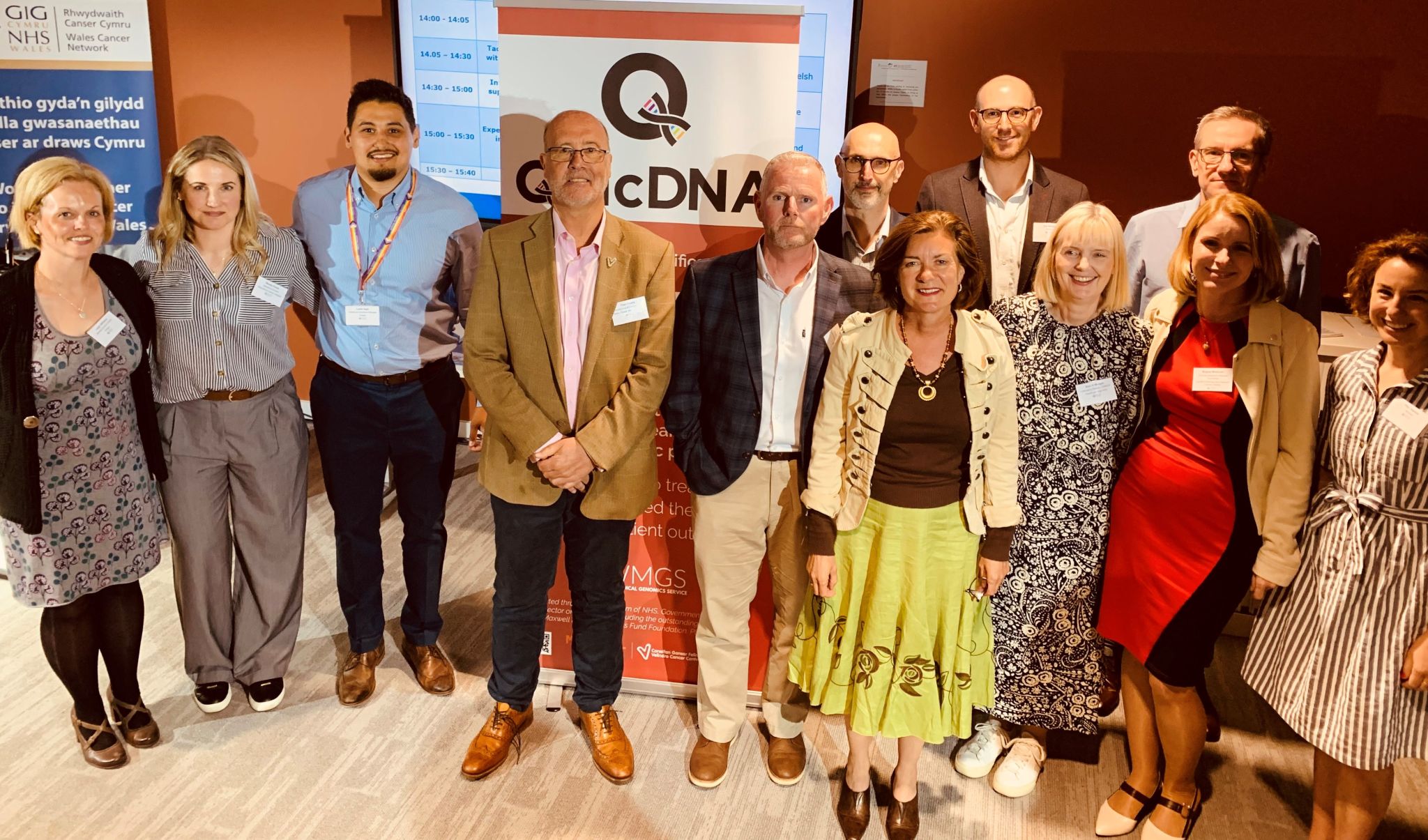
In a significant breakthrough for lung cancer diagnostics, the QuicDNA study has now reached a major milestone, expanding to include six Health Boards across Wales. This expansion marks a monumental step forward in providing lung cancer patients nationwide with access to cutting-edge liquid biopsy technology, potentially transforming their diagnostic and treatment pathways.
Initiated in early 2023, the QuicDNA project focuses on integrating non-invasive ctDNA testing into the lung cancer diagnostic process. Through analysing a simple blood sample, liquid biopsies offer a less invasive and faster alternative to traditional tissue biopsies. This advancement speeds up diagnosis and treatment decisions, aiming to improve patient outcomes and survival rates.
The project is committed to collecting real-world evidence on the value and impact of liquid biopsy testing in cancer treatment pathways, contributing to Value-Based Health Care. Originally conducted at Aneurin Bevan University Health Board and Cardiff and Value University Health Board, the QuicDNA study has now expanded to include four new sites: Cwm Taf Morgannwg, Hywel Dda, Swansea Bay, and Betsi Cadwaladr Health Boards. The Centre for Trials Unit in Cardiff was instrumental in setting up and running the study, ensuring smooth implementation across participating sites. This national expansion ensures that patients across Wales can benefit from this pioneering technology.
Collaboration lies at the heart of the QuicDNA project, with partners from healthcare, industry, and government working together to transform cancer treatment pathways. Life Sciences Hub Wales is managing and coordinating this collaborative programme, ensuring effective communication and synergy among all stakeholders,
Collaborative efforts and future goals:
Collaboration lies at the heart of the QuicDNA project, with partners from healthcare, industry, and government working together to transform cancer treatment pathways. Life Sciences Hub Wales is managing and coordinating this collaborative programme, ensuring effective communication and synergy among all stakeholders,
Craig Maxwell, a former chief commercial officer for the Six Nations rugby tournament and the Welsh Rugby Union, has played a crucial role in supporting the QuicDNA study. Diagnosed with stage IV lung cancer in September 2022, Craig has raised substantial funds and established the Maxwell Family Genomics Fund to further advance cancer care and genomic innovation in Wales.
“This is the future of cancer diagnostics, and thanks to this initiative and others, Wales could be in a great position to deliver this and improve the outcomes that our population deserves.” – Professor Tom Crosby, Consultant Oncologist, National Cancer Clinical Director for Wales.
‘In my 33 years of working in a genomics laboratory I haven’t met a more inspirational patient advocate for the genomic cancer services we deliver within NHS Wales than Craig Maxwell, and his fund-raising contribution was critical to allow the expansion of the study to be set up across all six health boards in Wales. QuicDNA is a revolutionary project that will expedite the clinical implementation of liquid biopsy testing at cancer suspicion to accelerate access to targeted treatments which will prevent disease deterioration and improve patient’s survival.” – Sian Morgan, Consultant Clinical Scientist, All Wales Medical Genomics (AWMGS) Laboratory Director.
“Craig Maxwell’s story is deeply inspiring. His firsthand battle with lung cancer diagnosis ignited a passion within him to support the QuicDNA study, ensuring other patients receive quicker diagnoses and treatments. Craig’s fundraising efforts have been pivotal, expanding the QuicDNA study across Wales. The study aims to use liquid biopsies to shorten the time from diagnosis to treatment, potentially saving lives. Inspired by Craig, we are driven to explore liquid biopsies for other cancer types.” – Dr Magda Meissner – Medical Oncology Consultant at Velindre Cancer Centre and Clinical Senior Lecturer at Cardiff University, Chief Investigator of the QuicDNA study
“It’s been a huge honour to be a small part of the QuicDNA team, working to deliver quicker diagnoses for patients like me in the future. It took 78 days to diagnose my tumour as cancer, at no fault of anyone, during these 78 days, I couldn’t function due to the fear of what the future held, and I was not receiving active treatment for my disease. With this new technology, families like mine can benefit from quicker diagnosis and treatment, giving them valuable time with their loved ones. This project is a living example of motivated people from various parts of the healthcare system coming together to solve a problem. The more we can collaborate to tackle this disease, the better the future will be for everyone.” – Craig Maxwell (Patient representative of the QuicDNA steering group)
Key benefits:
Early detection and treatment: Non-invasive liquid biopsies for lung cancer enable earlier testing in the cancer pathway, speeding up decision-making for targeted treatments. This can significantly improve patient outcomes and survival rates.
Real-world evidence gathering: This project evaluates the value and impact of liquid biopsy testing in the cancer treatment pathway, aligning with Value-Based Health Care principles.
Wales at the forefront: By adopting cutting-edge genomics, Wales is leading the way in delivering potentially life-saving treatments directly to the frontline of healthcare.
Transforming diagnostic services: Welsh Government, in collaboration with multidisciplinary partners from healthcare, industry, and government, is committed to transforming diagnostic services in Wales by evaluating emerging technologies like liquid biopsies.
Looking ahead, the data collected will support a health economic evaluation, with the aim of routine commissioning of ctDNA by NHS Wales by 2025. This project not only seeks to improve lung cancer diagnostics, but also paves the way for the use of liquid biopsies in other cancer types, marking a transformative step in cancer care