
Me and HPP - Hypophosphatasia: My Hope for Rare Disease Day 2024
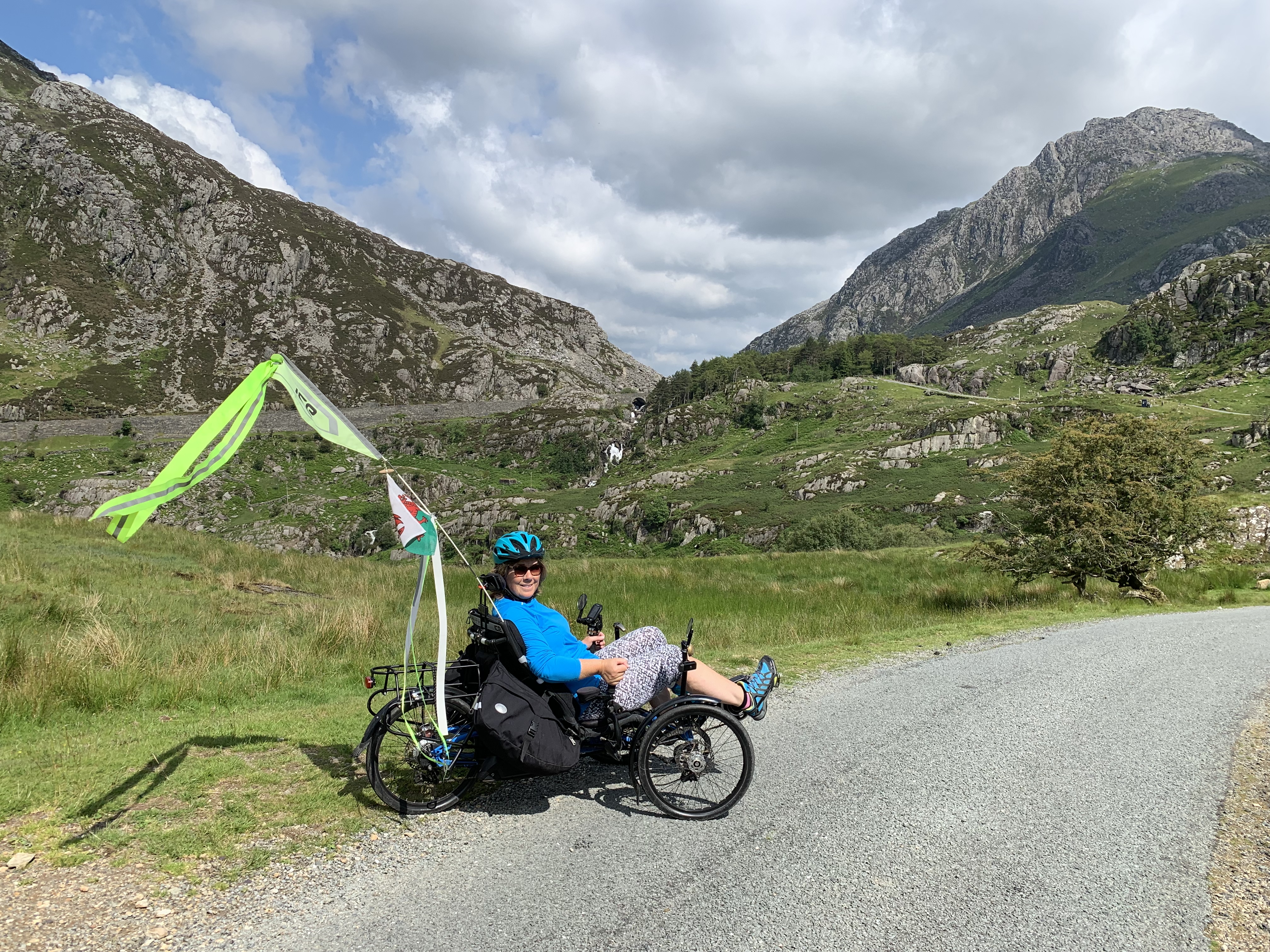
A case study by Mel Williams, member of the Genomics Partnership Wales Public and Patient Sounding Board
On Rare Disease Day, I feel compelled to share my journey, a life interwoven with the challenges of coping with Hypophosphatasia (HPP). This extremely rare degenerative condition has become a defining aspect of my life, shaping my experiences and leaving a lasting impact on the lives of those nearest to me.
What is HPP:
In individuals with HPP, having very low levels of Alkaline Phosphatase (ALP) is a characteristic feature. The persistent deficiency of TNSALP, a vital enzyme crucial for processing minerals in the body and forming robust bones and teeth, is common in patients with hypophosphatasia (HPP).
HPP is a metabolic bone disease of broad-ranging severity that affects approximately one in 100,000 live births, posing life-threatening risks. There are different forms of Hypophosphatasia including perinatal, infantile, childhood (severe or mild), adult, and odontohypophosphatasia.
People with HPP have low levels of the enzyme alkaline phosphatase (ALP), impairing the mineralization of bones. Normal mineralization is crucial for the development of hard and strong bones.
Signs and symptoms associated with HPP and low ALP encompass the early loss of baby teeth with the roots intact (before 5 years of age), short height or stature, skeletal deformities, unexplained broken bones, bone and joint pain, altered gait, and delayed motor milestones (such as sitting up or first steps). It’s important to note that this condition is often misdiagnosed with Osteoarthritis/arthritis, rheumatoid arthritis, fibromyalgia, and pseudogout.
My Early Memories and Childhood Struggles:
My earliest recollection dates back to age of 3, a time when I found myself crying with pain in my knees and feet – an early indication of the hurdles that lay ahead. Childhood, typically carefree, was marred by persistent joint pain. Forced participation in physical education at school led to neck injuries, adding to the complexity of my journey. A pivotal moment occurred at 13 with a spinal operation aiming to alleviate severe pain, marking the beginning of a lifelong battle against stiffness, back pain, and daily activity limitations.
Family Impact:
The impact of HPP extends beyond personal struggles, intricately weaving into family dynamics. Watching my daughter grapple with similar challenges brings forth profound sadness.
A snapshot of her life reveals the daily struggles she faces: “I get up, have myheadache injection, antidepressants, and painkillers. I collect my heat pads and two different pairs of shoes for the day. I wear my iced headache cap and drive to school. I put on an act all day – a happy face – over the top with the kids, and I get home shattered, miserable, and exhausted. I can’t enjoy my family because I’m overwhelmed with pain and fatigue. I have no patience, and I can’t even give hugs because I hurt too much.”
Balancing encouragement with the understanding of potential pain becomes a perpetual negotiation. Societal awareness remains a significant hurdle, hindering our ability to convey the true impact of HPP on not just individuals but the intricate fabric of family life.
Caregiver’s Perspective:
In this intricate balance of life with HPP, my husband stands as a steadfast support. He bears the emotional strain of being more capable, worrying about long-term effects, and striving to maintain a balance between work and caregiving. His role involves a delicate support, understanding, and emotional resilience, a testament to the challenges faced by those who support individuals with chronic conditions.
Diagnosis and Treatment Odyssey:
My journey toward an HPP diagnosis unfolded as a marathon, spanning over five decades. Misdiagnoses, exploratory surgeries, and a personal initiative to collate evidence finally led to a conclusive diagnosis at the age of 51. Treatment involves a combination of medications, each offering limited relief and adding to fatigue and brain fog. The lack of comprehensive support becomes glaring in the routine struggles against the degenerative nature of the condition.
Hope Through Strensiq (Asfotase Alfa):
I consider myself fortunate to have obtained a new medication called Strensiq, a life-changing treatment. Over two and a half years on the trial, it became apparent that while it couldn’t erase past damage, it was slowing the progression of the disease. The positive impact extended beyond personal well-being, radiating through my family as others began to notice improvements in my appearance.
By now, this medication has been approved in the UK, but the criteria for access remain a significant hurdle for many. Moreover, many doctors are unaware of the treatment or do not refer patients to specialist centres for HPP in the UK, further compounding the challenges faced by those seeking appropriate care. This issue is exacerbated by a widespread misunderstanding of the definitions, with patients often misdiagnosed with Adult HPP when, in reality, they experienced symptoms during childhood. Many patients, including my daughter,struggle to access Strensiq due to these criteria. The lack of understanding among healthcare professionals often leads to individuals being labeled as “mild cases” if fractures aren’t present.
The requirement for infantile or juvenile onset of the condition to access the medication adds an additional layer of trauma and mental anxiety for those left untreated. The struggle to navigate these barriers creates not only physical challenges but significant emotional distress, underscoring the urgent need for improved awareness, understanding, and access to treatment for individuals with Hypophosphatasia.
Granddaughter’s Struggle:
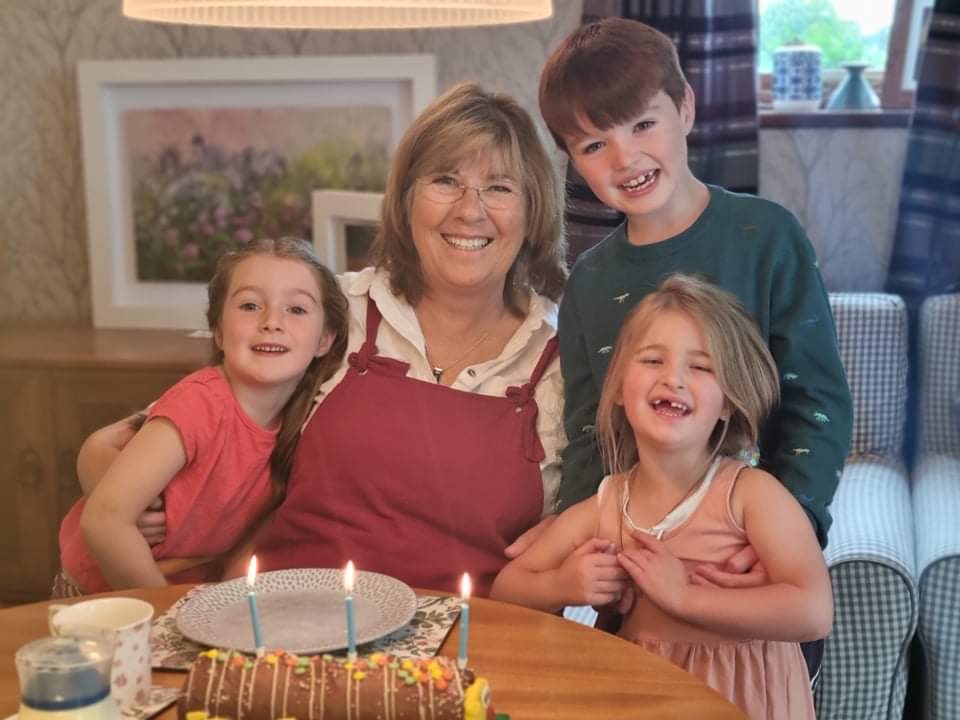
As I note with my granddaughter, age 7, some young children with HPP may not initially show severe signs of the disease, though they may complain of pain. Guidance is needed from HPP specialists to decide if treatment with Strensiq is essential to establish normal bone mineralization and avoid associated complications.
The trauma of injecting and injection site reactions may be unreasonable at this stage. We are currently in this position with my granddaughter, fortunately we have regular appointments with the specialist to decide the next steps.
Current Treatment Landscape without Strensiq:
Presently, HPP treatment revolves around symptom management, with no specific targeted therapies available. Pain relief medications offer limited respite, surgeries add to the trauma, and cortisone injections, though sometimes necessary, come with their own set of difficulties.
Mental health medications contribute to brain fog and exhaustion, further complicating the challenge of managing symptoms.
Severe Pain in Everyday Life:
Strensiq brought transformative benefits, reducing reliance on other treatments, and increasing independence. Yet, it’s crucial to acknowledge that severe pain persists on a daily basis. The newfound clarity of mind, increased energy, and reduced pain have collectively resulted in a more sociable and independent life. Undertaking journeys independently and engaging in everyday tasks now feel more achievable.
Working:
Despite grappling with a disability, my fervent desire to contribute and be a valued member of society persists. The reality, however, poses challenges. Lacking a diagnosis made articulating my limitations and obtaining necessary workplace adaptations an uphill battle. Frustrated by this, I opted for a different route, embracing self-employment to control my pace and invest in essential equipment for my work.
Socializing:
Daily life demands meticulous planning to seize each moment. The persistent pain strips away spontaneity, making sociability an even greater hurdle. Every day involves careful choices and prioritisation to meet goals. Explaining the reluctance to participate in activities is an ongoing challenge, as others may not fully grasp the impact of constant pain. Striking a balance is tough —I yearn to remain part of my social circle and engage in various activities without burdening others with guilt or necessitating constant adjustments. It’s a nuanced manoeuvre of maintaining connections while navigating the limitations imposed by my condition.
Future Implications:
Looking ahead, a new version of Strensiq awaits a drug trial, offering the potential to revolutionise HPP treatment. This version, designed for just once-a-week injections, holds promise in not only reducing the burden on healthcare systems but also alleviating the anxiety associated with frequent injections and minimising injection site reactions. It could reshape the care landscape for this rare disease.
Advocacy for Change:
On Rare Disease Day 2024, let’s join forces to spread awareness, understanding, and make treatments more accessible. Finding specialists in our rare disease is tough because there aren’t many experts available. It gets trickier since our day-to-day healthcare providers are general and might not know a lot about our condition. The struggles faced by those with rare diseases must not be overlooked, and the journey towards comprehensive care and understanding must continue. Sharing our experiences is the only way to raise awareness and each personal account adds a vital piece to the puzzle of understanding rare diseases
To learn more about Rare Disease Day, visit Rare Disease Day 2024