Elizabeth: “There needs to be a shift in thinking that acknowledges that rare diseases are possible”
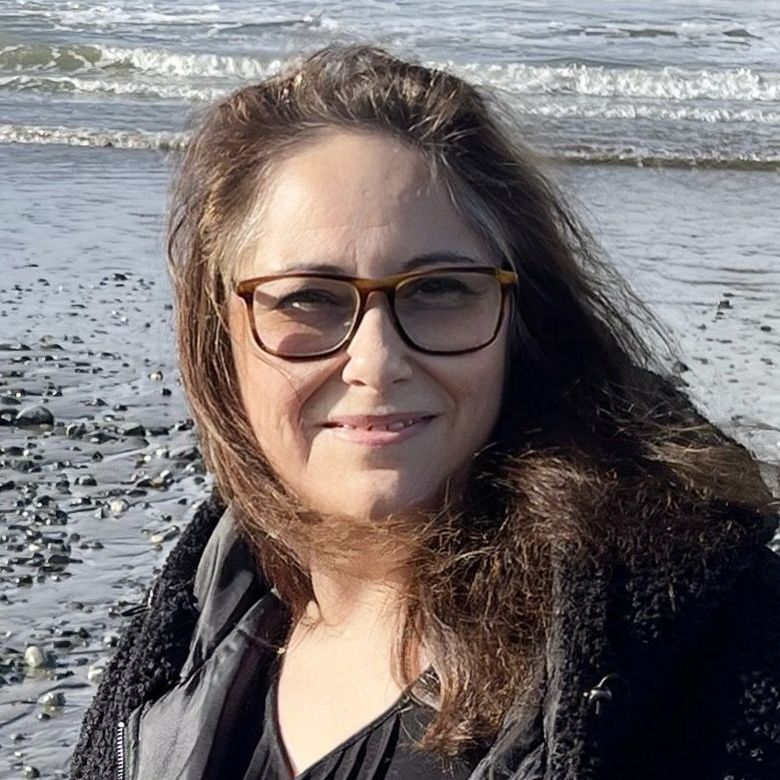
Elizabeth was born in the 1960s with two dislocated hips, which remained undetected until she learned to walk. As a result, she grew up dealing with numerous medical issues and endured multiple surgeries to address her symptoms.
It wasn’t until her forties when she had to undergo abdominal surgery that doctors began to suspect she may be living with a connective tissue disease. Elizabeth was subsequently diagnosed with a rare form of Ehlers Danlos Syndrome, and the assortment of symptoms she had experienced throughout her life finally began to make sense. Yet, Elizabeth felt like her diagnosis didn’t really lead to any real improvement in her day-to-day experience.
“Whilst a diagnosis has clarified why I have certain symptoms, this has not translated into better management, and I still struggle with multiple symptoms and daily life.”
Elizabeth now has a son who also has Ehlers Danlos Syndrome, alongside a second rare condition known as Beckwith Wiedemann Syndrome and a third genetic syndrome caused by the presence of an additional chromosome. The complexity of her son’s conditions has meant that accessing appropriate treatment has proved difficult, with the need for involvement from multiple clinicians and the absence of a clearly defined treatment plan.
“In a sense it made the rare nature of his condition even rarer, and we could not find any experts who had managed a child with both these syndromes.”
Elizabeth emphasises the importance of the diagnosis of a rare disease like hers and her son’s leading to an agreed care pathway being identified, the effective treatment of the associated symptoms and ultimately, an improved quality of life for the patient, particularly when an individual is living with multiple conditions.
“It seems like the more diseases you have the rarer you become and the less well managed your symptoms become. “
Although she can access helpful information via support groups, Elizabeth says that this often reaches these groups before it does the clinicians, which can lead to lack of an up to date understanding and challenges when discussing care. She also speaks on how this can prevent this knowledge being used to inform clinical practice.
“There is lots of research happening, but this is not reaching clinicians or being incorporated appropriately into clinical guidelines with relevant bodies”
In addition, she highlights that a person with a rare disease may present with an unrelated illness however, the symptoms may be attributed to their pre-existing diagnosis.
“This is extremely distressing and frustrating and can contribute to mental ill-health alongside all the daily physical challenges”
On raising awareness of rare diseases, Elizabeth would like to see these conditions be more routinely considered when an individual presents with certain symptoms, as opposed to them being dismissed because of their ‘rareness’.
“I have frequently been told that whatever condition I am suffering with is rare, and so it is very unlikely that I would have it.”
Elizabeth would like to see the exploration of rare disease become an integral part of care from the very first appointment, as opposed to something which is only considered only once all other possibilities have been explored.
“There needs to be a shift in thinking that acknowledges that rare diseases are possible”
She also emphasises the importance of acknowledging the collective existence of rare disease and looking at the full picture.
“When you add the numbers of people suffering with a rare disease together, we are not rare at all.”
For Elizabeth, recognising rare diseases earlier, improving coordination between specialists and ensuring research reaches community care could make a meaningful difference to families like hers. Greater awareness and a more joined-up approach would not only support better outcomes, but help people living with rare conditions feel seen, heard and appropriately supported.
Learn more about Rare Disease Day
Our Patient and Public Sounding Board will shortly be opening for applications, to find out more and register your interest visit: https://genomicspartnership.wales/join-our-sounding-board/